Every insurance contact center has data, but not every team knows how to use it. The short version? It helps you see what’s happening with your claims, catch compliance issues before they become problems, and understand why your customers are calling.
Having data is one thing. Doing something useful with it? That’s where most teams struggle.
Too many contact centers are drowning in dashboards that nobody looks at, KPIs that don’t align with real business outcomes, and “insights” that never translate into actionable steps. Sound familiar?
Why Insurance Contact Centers Struggle with Data Overload
Walk into most insurance contact centers, and you’ll find no shortage of reports. Call recordings, historical metrics, fancy dashboards, it’s all there. But ask the team lead why claims calls are suddenly spiking in Dallas or which agents consistently make customers happier, and you’ll get blank stares.
The issue isn’t that we don’t have enough data. It’s that we don’t know what to do with it.
Focus Your Metrics on High-Impact Outcomes
Before you get lost in the weeds of analytics platforms, take a step back. What are you trying to fix? In insurance contact centers, it usually comes down to a few key things:
Maintain consistent service levels – Track your average response time, the number of people who hang up, and queue lengths. It’s basic stuff, but it matters.
Make customers happier – Look at escalation rates, how often people call back about the same issue, and whether your agents sound genuinely concerned.
Speed up claims – Monitor call duration, how long agents spend on follow-up work, and whether claims are getting stuck somewhere.
Stay compliant – Ensure agents follow scripts, confirm required disclosures, and that calls are accurately recorded.
Control costs – Track average handle time, how busy your agents are, and whether you’re successfully deflecting calls to self-service.
Pick 3-5 metrics that directly impact these goals. More than that, and you’ll lose focus.
Make Someone Own It
Here’s where most analytics initiatives fail: nobody is responsible for the numbers.
Every metric you track needs an owner. Someone who receives a notification when things go awry and has the authority to rectify the issue.
- The average speed of answer? That’s your workforce management lead’s problem. They need to adjust staffing or shift coverage.
- High transfer rates? Your team leads should review routing logic and retrain agents.
- Are customers calling back about the same claim? QA or claims ops needs to figure out what’s broken in the workflow.
- Compliance issues? Risk and compliance should audit calls and set up automated alerts.
The dashboard shouldn’t be something you check once a week in a meeting. It should be part of how your frontline managers run their day.
Stop Living in the Past
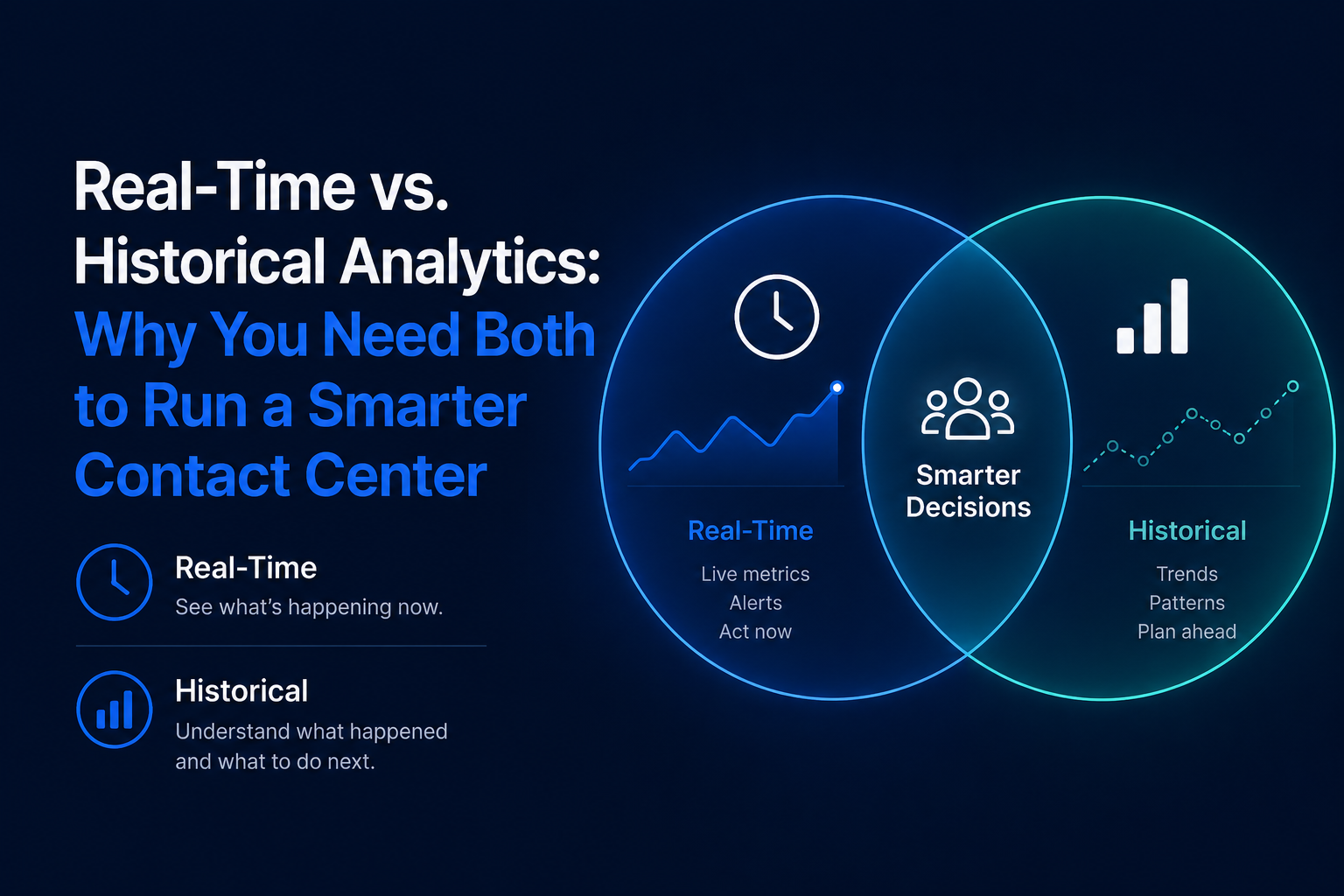
Historical reports are great for quarterly planning, but they won’t help you when your call center is melting down during a hurricane or when claim volumes spike after a policy change.
The magic happens when you can see problems developing in real-time.
Your supervisors should be able to spot queue buildups before customers start hanging up and adjust the agent allocation accordingly. They need visibility into who’s available, who’s stuck in the wrap-up, and who’s mysteriously “unavailable” for the third time today.
When a specific type of claim or policy starts generating angry customers, you want to know about it immediately, not next month when you’re reviewing the satisfaction scores.
Transform Coaching with Targeted, Data-Driven Insights
Most QA programs are still built around randomly sampling calls and filling out scorecards. That’s not analytics, that’s busy work.
Instead, use your data to find the calls worth reviewing. Flag the ones with unusually long wrap times, multiple transfers, or apparent customer frustration. Focus your coaching where it’ll make a difference.
When you sit down with an agent, don’t just tell them their scores. Show them the data: “Your average talk time for claims escalations jumped 20% this week. Let’s listen to a few calls and figure out what’s happening.”
Compare Apples to Apples
Once you’ve mastered the basics, you can move on to more advanced benchmarking techniques. Compare performance across different product lines, customer segments, or service levels to identify areas for improvement and optimization.
Maybe auto claims calls are consistently longer than life insurance calls. Senior customers may require more guidance and support than younger ones. Perhaps your “premium” service tier isn’t delivering the premium service you expect.
This type of analysis helps you identify systemic issues rather than just putting out fires.
How Leading Insurers Are Putting Analytics to Work
SCAN Health Plan figured this out. They weren’t just collecting data; they were using it to meet CMS performance requirements, providing supervisors with real-time dashboards to manage resources, and enhancing staff engagement through transparent coaching.
Their contact center leaders could see problems developing and fix them before they become disasters. That’s the difference between having analytics and using them.
Don’t Fall into These Traps
Tracking everything – Thirty KPIs won’t make you smarter. Pick the ones that matter and ignore the rest.
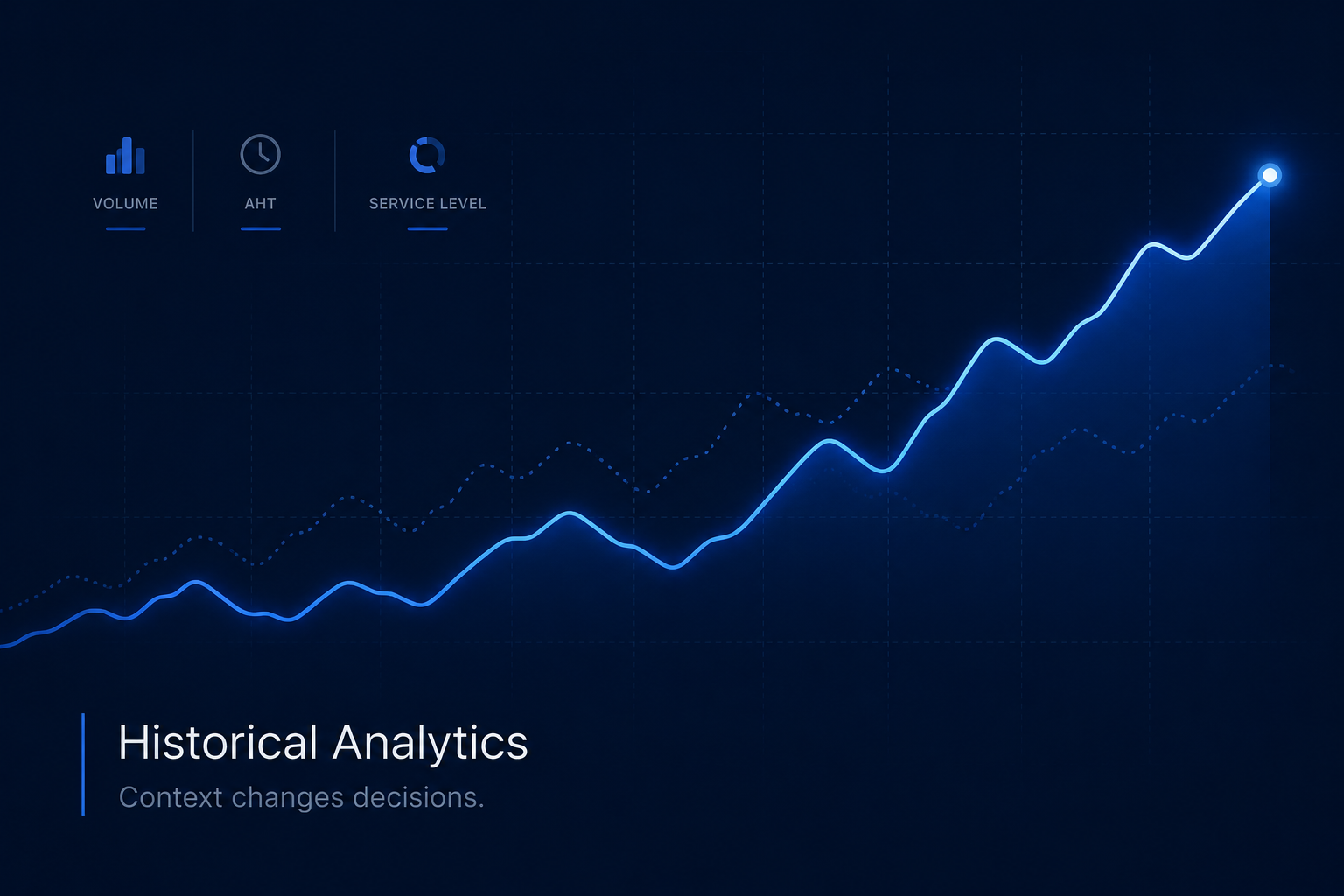
Numbers without context – If your average handle time goes up, you need to know why. Was it a system issue? New agents? Complicated claims? Data alone won’t tell you.
Reports without action – If a metric changes and nothing happens, you’re just collecting data for data’s sake.
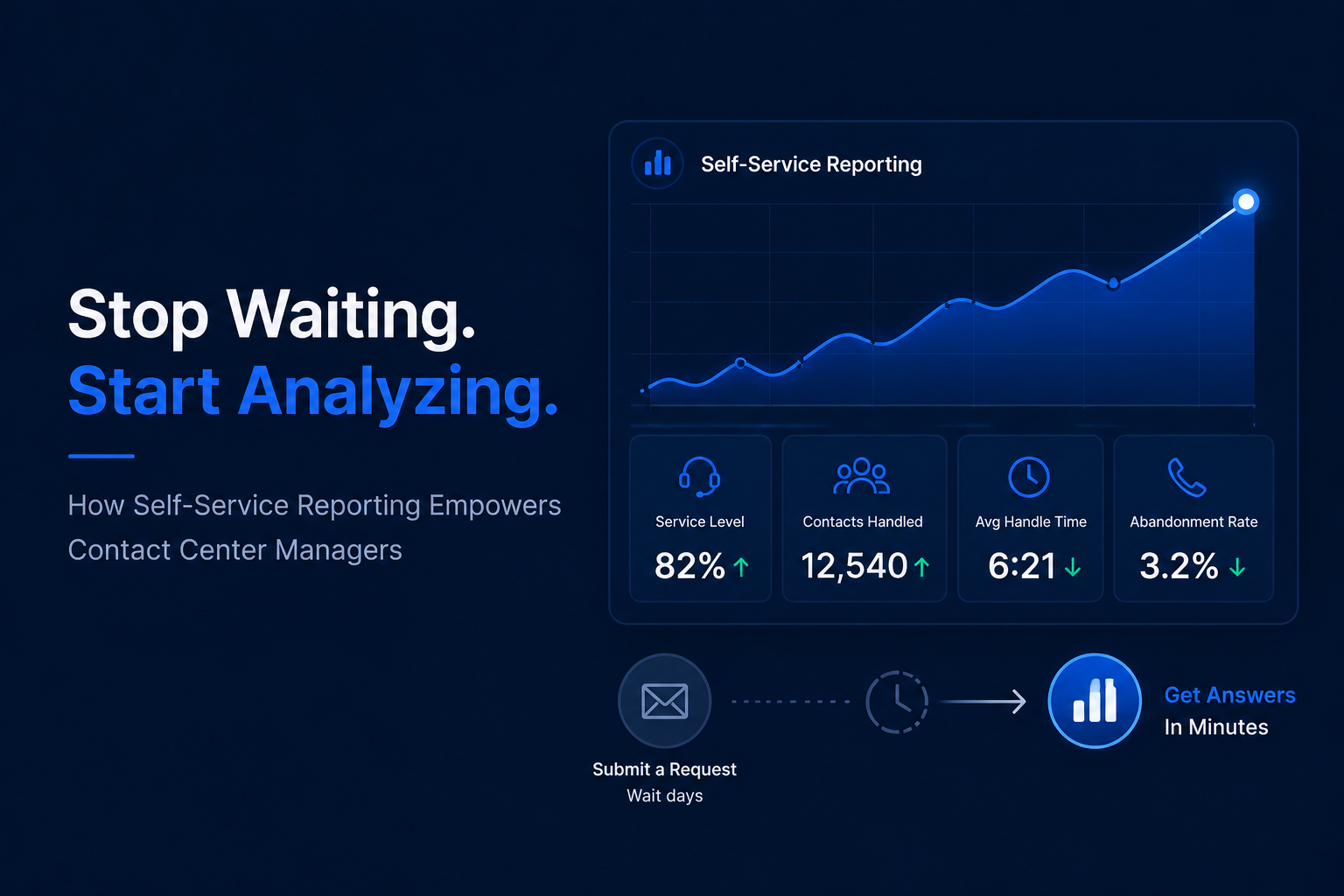
Manual busywork – If you’re exporting reports to Excel every week, you’re doing it wrong. Automate the boring stuff.
The Right Tools Make Insurance Analytics Scalable
You don’t need a data science team or a custom-built analytics platform. You need something that connects to your phone system, shows you what’s happening right now, lets your team leads build their own views, and sends alerts when things go wrong.
Platforms like Brightmetrics are designed specifically for contact center operations, not IT departments.
Build a Data-Driven Culture in Your Insurance Contact Center
When analytics work, they become the foundation for how you run your business. Your team leads start their day knowing what needs attention. Compliance officers get alerts instead of surprises. Agents understand how they’re doing without waiting for their next review.
For insurance contact centers, this isn’t just about efficiency; it’s about delivering better service, staying compliant, controlling costs, and retaining top talent while preventing burnout.
Stop treating your contact center like a necessary evil. Turn it into a competitive advantage.